
Bespoke executive retreats for private strategy and team time
An executive retreat isn’t defined by a delegate number; capacity depends on the venue and how the group will use it. Exclusive hire is worth considering when privacy matters. Bespoke executive retreats can bring confidential strategy sessions, wellbeing and shared activities together in an experience shaped around your team.
A private setting can make room for candid discussion, but time away should do more than move meetings somewhere scenic. The right balance of focused work, restorative pauses and time together gives leaders space to think clearly and reconnect as a team.
This article explores how private venue hire, confidential sessions, wellbeing and estate activities can shape a retreat around your team’s aims. You’ll also discover what influences delegate capacity and how the setting, programme and practical arrangements work together, from quiet strategy time to experiences beyond the meeting room.
Table of Contents
Planning Bespoke Executive Retreats in 2026?
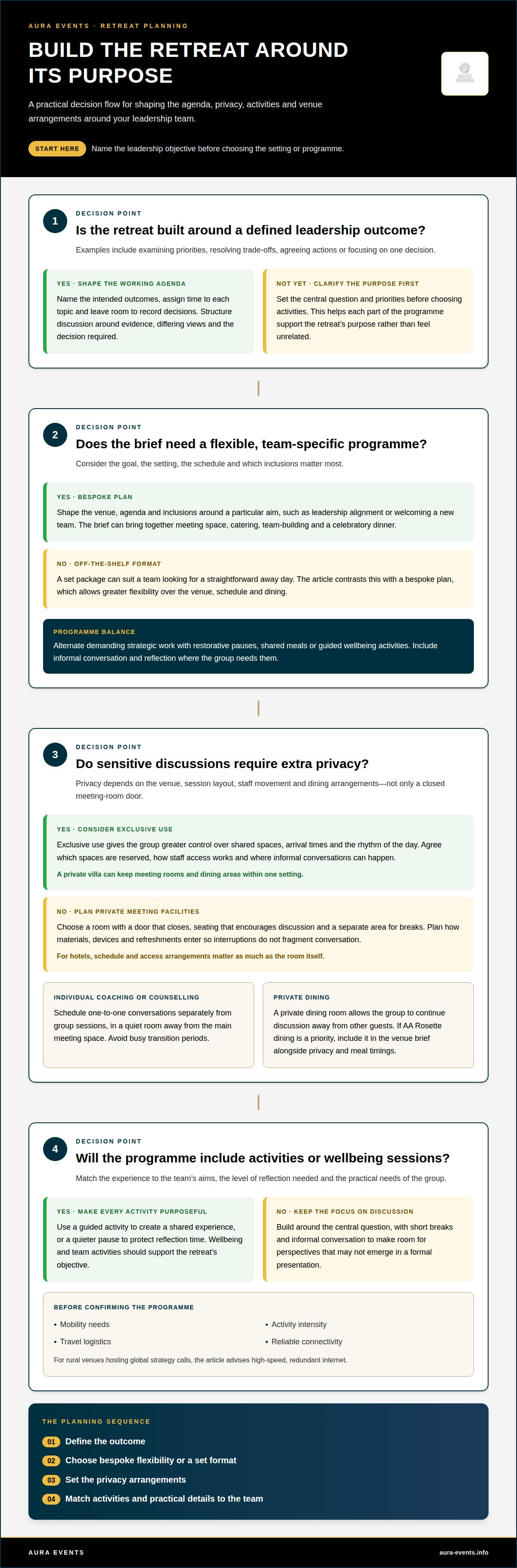
Plan the retreat around a defined leadership objective, then match the venue and agenda to it. In 2026, strategic thinking can sit alongside wellness, shared experiences and practical arrangements for a focused leadership team.
Strategy Retreats and Leadership Away Days
Executive strategy retreats give senior colleagues protected time to examine priorities, resolve trade-offs and agree actions. A leadership away day might focus on one decision, while a longer programme can make room for wider planning and team discussion. Name the intended outcomes in the agenda, assign time to each topic and leave room to record decisions. This turns conversation into a useful working plan.
Performance, Wellness and Leadership Development
Leadership performance depends on more than consecutive sessions in a meeting room. A considered programme alternates demanding strategic work with restorative pauses, shared meals or guided wellbeing activities. Leadership development sessions might explore decision-making, communication or how leaders respond to change. The key is alignment: each activity should support the retreat’s purpose, not feel like an unrelated extra. Build the programme around the group’s priorities and the level of reflection it needs.
Leadership Team Focus
A change of setting can help a leadership team give its attention to a defined challenge, away from routine office interruptions. Start with the central question, then structure discussion around evidence, differing views and the decision required. Short breaks and informal conversation can also make room for perspectives that may not emerge in a formal presentation. The facilitator’s agenda should clarify who contributes, how decisions are captured and which actions follow the retreat.
Venue Specialisms and Retreat Agendas
In the UK, a specialist venue may be an English manor house dating to the 14th century, described as a setting for corporate retreats and away days. Bespoke executive retreats have no single ideal duration: the objective, travel demands and depth of discussion should shape the schedule. A typical agenda might move from strategic sessions to a shared lunch, then an outdoor activity and an evening conversation. For accessibility and risk planning, the programme should account for mobility needs, activity intensity, travel logistics and reliable connectivity; rural venues should provide high-speed, redundant internet for global strategy calls.
Privacy and discretion for confidential strategy sessions
Confidential strategy work needs more than a closed meeting-room door. The venue, session layout, staff movement and dining arrangements all shape how freely leaders can speak.
Exclusive-Use Venue Privacy
Exclusive use gives the group greater control over shared spaces, arrival times and the rhythm of the day. A private villa, for example, can keep meeting rooms and dining areas within one setting; luxury villa sourcing can help align the property with the retreat’s privacy requirements. Agree which spaces are reserved, how staff access works and where informal conversations can happen. Privacy is a practical arrangement, not simply a luxury detail.
Private Meeting Facilities
Choose a room that supports both the session and discretion. A leadership team reviewing a sensitive proposal may need a door that closes, seating that encourages discussion and a separate area for breaks. Plan how presentation materials, devices and refreshments will enter the room so interruptions don’t fragment productive conversations. Hotels may have private meeting facilities, but the schedule and access arrangements matter as much as the room itself.
For private one-to-one coaching or counselling, schedule individual conversations separately from group sessions. A quiet room away from the main meeting space gives each person more privacy and a clear change of pace. Keep timings discreet and avoid placing personal discussions in busy transition periods. This is especially useful when leadership development includes both collective work and individual reflection.
Dining also shapes the retreat’s atmosphere. A private dining room lets the group continue its discussion without sharing the table with other guests. If AA Rosette dining is a priority, include it in the venue brief alongside room privacy and meal timings. A private dinner after a strategy session, for example, can create space for less formal conversation without turning the evening into another presentation.
Corporate wellbeing and team-building venues
A bespoke retreat brings the venue, programme and hospitality together around the leadership team’s purpose. It can include countryside accommodation, wellbeing, team activities, catering and private dining.
Unlike an off-the-shelf retreat, a bespoke experience shapes the agenda, setting and inclusions around your objectives. A programme might pair strategic sessions with wellbeing, shared meals and activities that help colleagues connect.
Bespoke Package Design
A bespoke corporate event package brings the practical elements into one coherent plan. The brief might include a private retreat venue, meeting space, catering, team-building and a celebratory dinner. Each element should have a clear purpose: a guided activity can create a shared experience, while a quieter pause protects time for reflection. The programme works best when it follows the team’s priorities rather than a fixed template.
Bespoke and Off-the-Shelf Retreats
An off-the-shelf package follows a set format, which can suit a team looking for a straightforward away day. A bespoke plan lets the venue, schedule and dining reflect a particular goal, such as leadership alignment or welcoming a new team. Consider how much flexibility the brief needs, then identify the details that matter most: the setting, wellbeing sessions, activity choices or private dining.
Venue location affects the atmosphere and logistics of a gathering. A countryside retreat can offer a change of pace, while a location close to guests’ homes may reduce travel demands. For teams travelling from London, transport timings and arrival arrangements can help preserve the working day and make the programme more productive.
Food can support focused work and celebration alike. Catering might include a working lunch between sessions, followed by a private dinner to mark a team milestone. A private chef can shape menus around the event’s rhythm, from a relaxed shared meal to a more formal occasion. The choice should complement the agenda, not compete with it.
Retreat package prices depend on the venue, accommodation, catering, activities and transport included, and are given after a quote request. Clear priorities help shape a suitable programme, whether the emphasis is wellness, strategic thinking or a celebratory event. Explore corporate retreat planning as a way to bring those elements together.
Team-building and estate activities
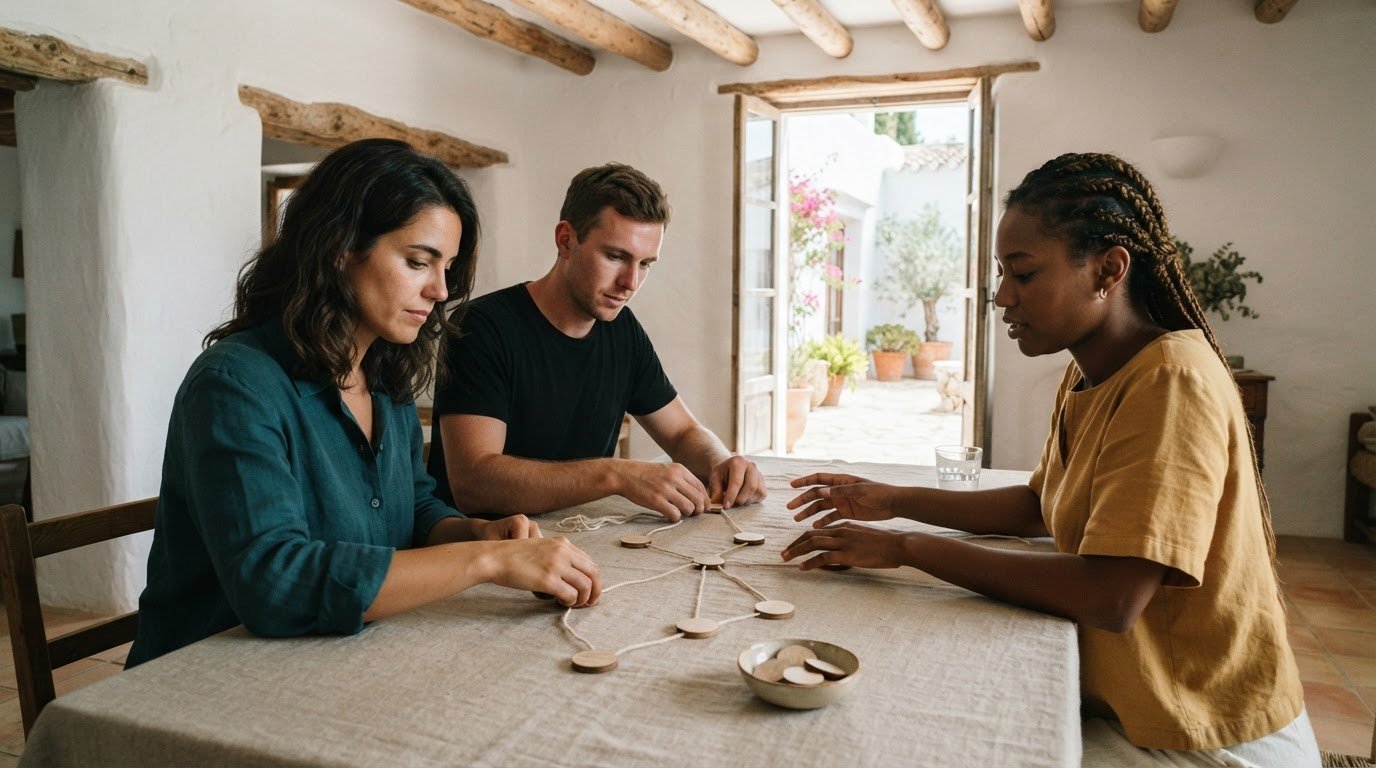
Activities work best when they connect to a clear leadership objective, rather than simply filling time between meetings. A shared challenge can reveal how colleagues communicate, make decisions and adapt together.
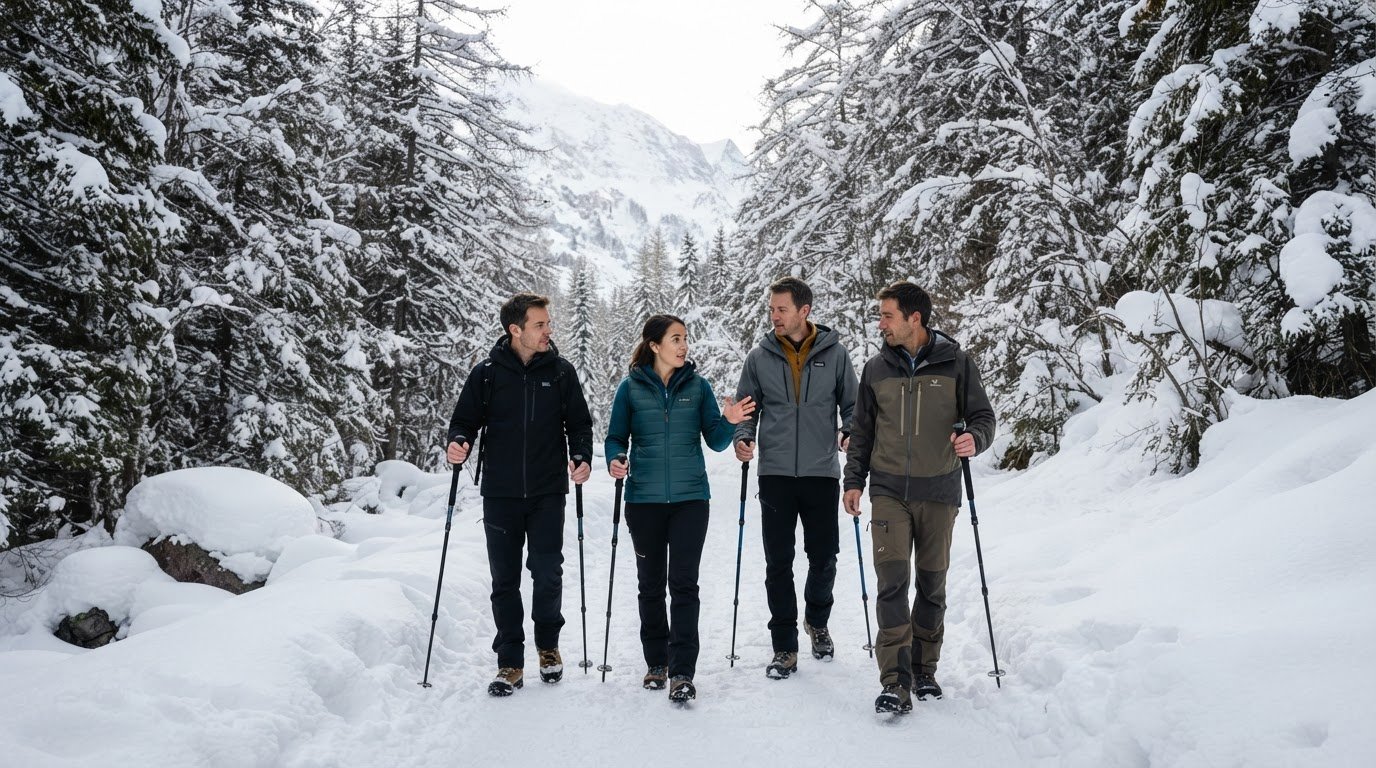
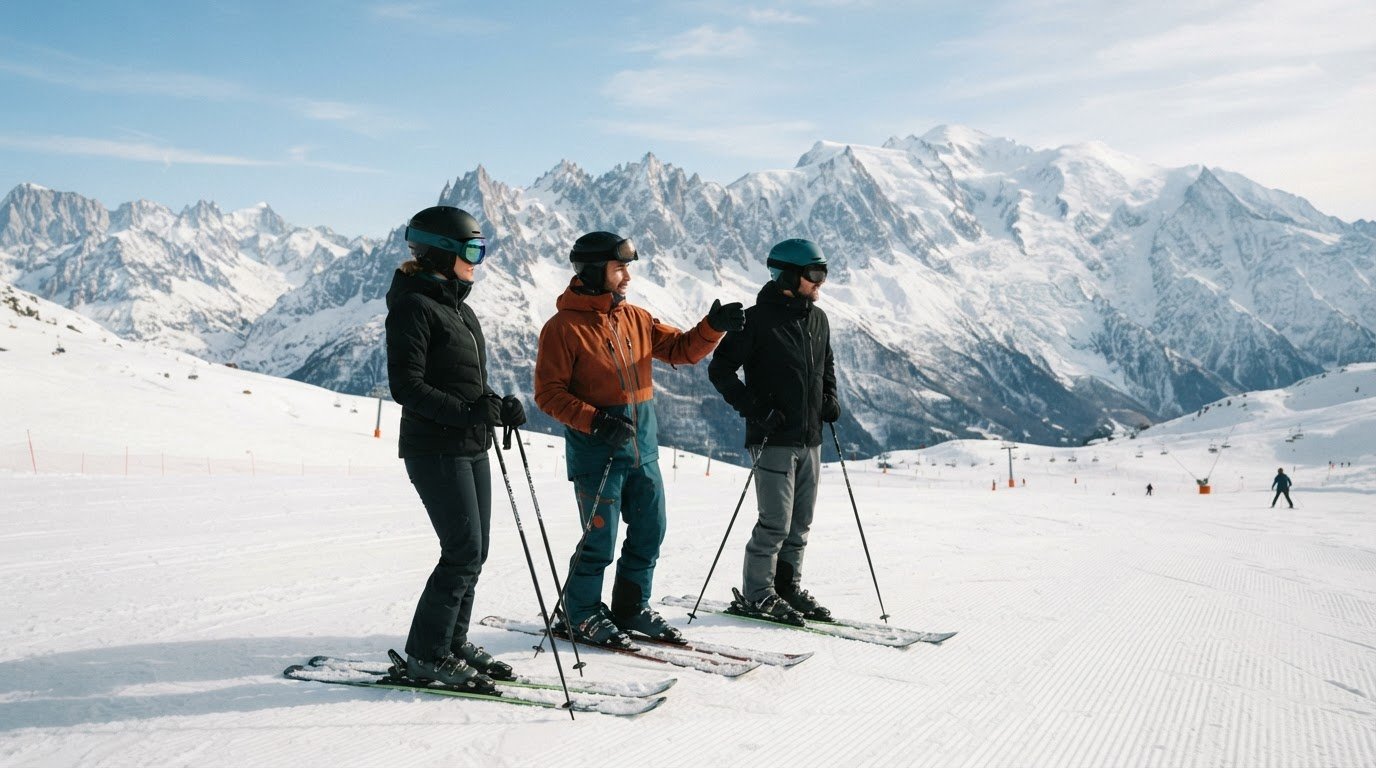
Suitable choices include guided mountain activities, collaborative problem-solving and experiences using the surrounding landscape. Facilitation should connect each activity to the team’s objectives, with a short debrief to identify useful observations and next steps.
A tailored programme can make a scenic setting a purposeful part of the retreat. A guided walk, for example, may encourage informal conversation before a structured session on collaboration. A team challenge can then give colleagues a practical way to explore how they share information, allocate roles and respond to change. Choose activities for the insight they create, not simply their novelty.
Activities can make use of the landscape and accommodation selected for the retreat. A country estate might offer grounds for an outdoor team exercise, while a mountain destination lends itself to guided experiences in the surrounding terrain. The right option depends on the group’s interests, mobility needs, comfort outdoors and available time. Plan alternatives if weather or differing abilities could affect participation.
Facilitation gives shared experiences a useful frame. Before an activity, the facilitator can explain its purpose and invite the team to notice specific behaviours, such as listening or decision-making. Afterwards, a focused discussion can turn observations into working agreements. Colleagues might, for instance, agree how to raise concerns during a future strategy session. Keep the debrief constructive and connected to the team’s real work.
Balance activity with recovery. A guided experience followed by time at the accommodation leaves room for informal conversation without crowding the agenda. The programme should also distinguish optional participation from essential team work, so everyone can take part comfortably.
For a retreat built around shared experiences, plan guided mountain and team-building activities that reflect your leadership objectives.
Aura Events: Ibiza Corporate Retreats
Aura Events designs Ibiza Corporate Retreats and Chamonix Leadership Offsites for teams seeking focused strategy time in a distinctive setting. The destination depends on your priorities: Ibiza can pair leadership sessions with villa accommodation or a private yacht charter, while Chamonix offers a mountain setting for an offsite.
Luxury Villa and Chalet Sourcing helps shape the setting around your programme, whether privacy, shared meals or space for team activities matters most. Your objectives, preferred destination and ideas for the retreat provide a clear starting point for shaping the experience around your leadership team.
To discuss a retreat shaped around your team, contact Aura Events.
Give your next retreat a clear direction
Start with the change you want the leadership team to make after its time away. A clearer shared priority, a decision reached or stronger working relationships can each guide the design of bespoke executive retreats. Turning that intended outcome into a concise brief gives the planning process a meaningful focus.
Aura Events offers Ibiza Corporate Retreats, Chamonix Leadership Offsites and Luxury Villa and Chalet Sourcing. These options provide different settings for bringing leaders together, with the destination and accommodation selected around the experience you want to create. Discuss your team’s priorities and the kind of time away that would serve them best.
Contact Aura Events about your retreat, and take the first step towards a purposeful time together.
Frequently Asked Questions
How many delegates can you accommodate, and is exclusive hire available?
Delegate capacity depends on the accommodation and retreat format. Aura Events sources luxury villas and chalets, so the venue can reflect the group’s size and privacy needs. For an exclusive-use experience, the plan can centre on private accommodation; the property’s layout and sleeping arrangements determine how comfortably delegates can stay and meet together.
What makes a venue suitable for an executive retreat?
A suitable venue supports both the work and the people attending. Consider whether its meeting spaces suit the planned sessions, whether bedrooms and shared areas fit the group, and whether travel arrangements work for everyone. Practical details matter too: step-free routes for attendees with mobility needs, space for private conversations and reliable internet for colleagues joining calls can all influence the choice.
How much do executive retreats cost in the UK?
The price depends on the retreat’s requirements and is provided after a quote request. Key factors include the destination, accommodation, programme length, transport, catering and selected activities. A retreat centred on villa accommodation and private dining, for example, has different requirements from one involving mountain activities and chalet stays. Set priorities first so the proposed plan reflects what matters to your team.
How does a retreat specialist choose a venue for an executive retreat?
A retreat specialist matches the venue to the purpose, group and travel needs, then considers accommodation, meeting spaces and activities together. A London leadership team might prioritise straightforward transfers, while colleagues travelling from Manchester or Bristol may need different arrival arrangements. For international attendees travelling from Amsterdam, the itinerary should also account for their routes and arrival times.
How does a retreat specialist plan and organise an executive retreat?
A specialist starts by establishing the retreat’s objectives, preferred destination and key requirements. They then shape the itinerary, source suitable accommodation and coordinate catering, transport and activities. An Ibiza programme, for example, could bring leadership sessions together with villa accommodation and a private boat day. A clear brief helps keep every element aligned with the experience the team wants.
Which UK venues specialise in bespoke executive retreats?
A 14th-century English manor house is described as a venue for corporate retreats and away days.
Comments